
What should guests remember after they leave? A flavor, a story, a moment they want to share? The strongest brand activations make the answer tangible. Food can help: it gives guests a reason to pause, participate, and connect with the brand through more than a message or backdrop.
For Dallas and Fort Worth launches, press events, pop-ups, and corporate gatherings, the ideas below pair participation with thoughtful hospitality. Each can scale to the venue, audience, and run of show. The best fit is the one that makes the brand story easy to experience, and easy to remember.
Make the Product Part of the Experience
1. Build a Flavor Lab
Invite guests to customize a drink, snack, or dessert from a short menu of bases, seasonal ingredients, and finishing touches. A recipe card or custom name turns a quick sample into a personal takeaway.
2. Host a Blind Tasting
Serve small, clearly labeled tasting flights, but keep the flavors covered until guests make a guess. Reveal the notes and product story at the end, then use the conversation, not just the votes, to guide the next step.
3. Put a Chef at the Center
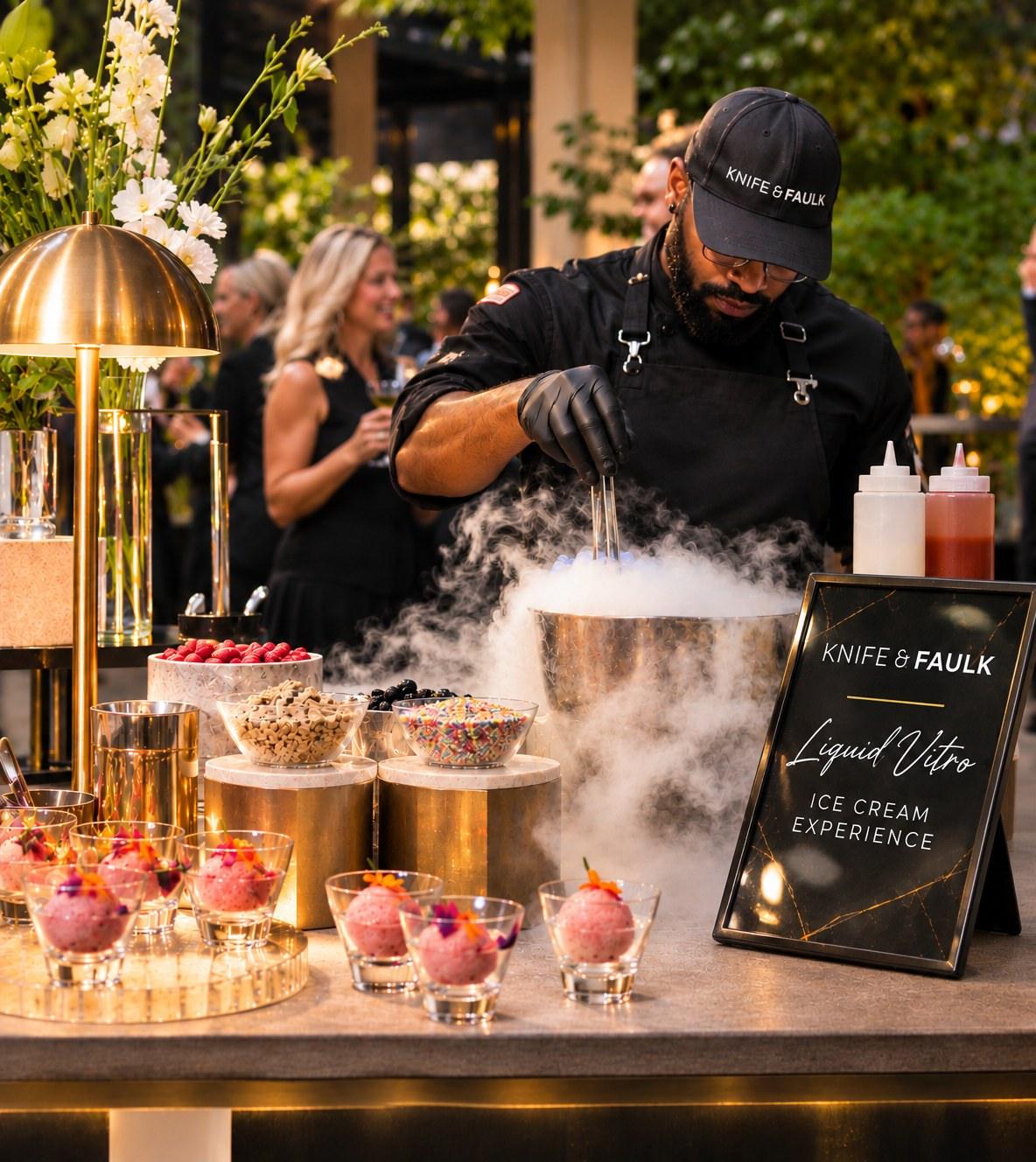
A chef action station makes preparation part of the experience. Guests watch a dish come together, hear why certain ingredients were chosen, and enjoy it fresh, while service stays paced to the event schedule.
4. Create an Aperitivo Hour
Give guests a natural moment to gather with small bites, a considered beverage menu, and communal seating. Include low- and no-alcohol choices so the ritual feels welcoming to more people. Event Marketer has explored aperitivo culture as an experiential format.
5. Pair Flavors with Sound
Build a guided tasting around a short sequence of music, ambient sound, or a live musician. Each pairing can reveal a different product quality or brand mood, creating a sensory cue guests can recall later.
Design a Journey Through Taste and Place
6. Map the Ingredient Journey
Create a compact trail from ingredient to finished bite: origin stories, scent jars, producer portraits, and a live tasting at the end. Keep the information concise and visual, so guests can explore at their own pace.
7. Turn Texture into a Playground
Invite guests to compare crisp, creamy, chewy, and delicate textures through a series of small samples. A final build-your-own bite lets them combine favorites and gives the experience a clear finish.
8. Stage a Pop-Up Supper
Transform an unexpected venue into an intimate dining room for one evening. A focused menu, purposeful lighting, and a thoughtful seating plan can make a product launch feel like a gathering rather than a presentation.
9. Create a Sensory Story Room
Let light, scent, sound, and taste introduce different parts of the brand story. Keep each room element connected to the product, so the sensory details build meaning instead of competing for attention.
10. Build a Neighborhood Flavor Trail
Partner with several local food businesses to create a tasting route across a district, campus, or venue. Give each stop a distinct role and provide a simple map, clear timing, and a final gathering point.
Give Guests Something to Make and Share
11. Personalize an Edible Keepsake
Finish cookies, chocolates, or another made-to-order treat with a guest’s name, message, or event graphic. It works best when the customization is quick, the queue is planned, and packaging is ready to go.
12. Open a Recipe Co-Creation Studio
Ask guests to choose a flavor, ingredient, or name for a new menu item. Display the options, collect votes, and share the final selection after the event to give participation a visible outcome.
13. Host a Chef-Led Mini Class
Offer short, repeatable sessions on a technique guests can use at home, from finishing a seasonal dish to mixing a signature drink. Keep each class small enough to see and ask questions.
14. Create a Photo-Worthy Plating Moment
Design one visually distinctive dish or dessert around the brand’s colors, materials, or story. A liquid nitrogen dessert station, finished tableside in a cloud of vapor, is a proven example: the spectacle is built into the preparation, so guests gather before the first taste. A strong presentation earns attention naturally; good lighting and a clear place to pause make sharing easier.
15. Make the Takeaway Useful
Send guests home with a small recipe kit, a thoughtfully packed tasting set, or a seasonal ingredient with preparation notes. A useful item extends the experience beyond the room without adding another branded object to the pile.
Create Participation Beyond the Tasting
16. Set Up a Flavor Hotline
Invite guests to record or submit a favorite flavor memory, product idea, or local food recommendation. Share selected responses on a display or follow-up page, with permission and a clear way to participate.
17. Turn a QR Code into a Choice
Use a QR code to let guests choose the next tasting, vote on a product variation, or unlock a short behind-the-scenes story. Keep the mobile experience brief and make the physical experience worthwhile on its own.
18. Design a Food-Inspired Scavenger Hunt
Place clues around the activation that lead to ingredients, product details, or a final sample. The route should be intuitive, accessible, and short enough to fit comfortably into the event’s flow.
19. Build a Community Recipe Exchange
Invite guests and local partners to contribute a recipe connected to a place, season, or personal tradition. Credit contributors clearly, and work with cultural partners to represent stories with care.
20. Create a Shared Table
Arrange seating around one communal meal, with a menu that encourages conversation and easy passing. This simple format suits client gatherings, community events, or smaller brand dinners where connection matters as much as presentation.
Make the Setting Work Harder
21. Reimagine the Sampling Booth
Replace the standard counter with a compact tasting bar, ingredient display, or chef station that lets guests see how the product is made. Plan for clear entry and exit paths, quick service, and space for conversation.
22. Stage a Seasonal Market
Build a small market around the time of year, featuring seasonal ingredients, local makers, and a menu that shifts with the season. The format gives guests multiple ways to browse, taste, and meet the people behind the work.
23. Create a Festival Reset
Own one useful moment at a festival: a hydration point, breakfast nook, cooling lounge, or late-night snack window. The brand becomes part of the day’s rhythm when the offering is genuinely helpful and easy to access.
24. Host a No-Waste Tasting
Show how ingredients can carry through a menu in thoughtful ways, then invite guests to taste the results. Be specific about sourcing and waste practices, and share measurable details rather than broad environmental claims.
25. Offer an Inclusive Tasting Flight
Design a tasting with clear labels and options for varied dietary needs, including a carefully coordinated celiac-safe selection when the operation can support it. Confirm ingredients and preparation procedures with the catering team before the event.
Make the Details Part of the Design
A creative idea needs a clear operating plan. Before settling on a format, define what guests should do, how long each interaction takes, and where they go next. Then align the menu, staffing, serviceware, lighting, and floor plan with the run of show.
Food works especially well when it belongs to the story, not when it feels like a separate catering moment. Seasonal ingredients, considered presentation, and precise service help connect the menu to the brand. Dietary needs also deserve planning from the start, with accurate labels and agreed preparation procedures.
Knife & Faulk designs food-led brand experiences for launches, pop-ups, press dinners, and cultural gatherings across North Texas. Our team works alongside agencies, producers, and venues to bring the menu, display, and service into one cohesive experience. Explore brand experiences or plan a corporate event.